
Choosing a water filter starts with a simple question: which water do you want to treat? A filter at one tap can suit drinking and cooking, while a whole-home system treats water as it enters the property. Your household size, daily routines, plumbing layout, and preferred maintenance all affect the right fit. Compare these practical factors before requesting quotes so you can ask installers focused questions and avoid paying for capacity or features you do not need.
Point-of-use or whole-home
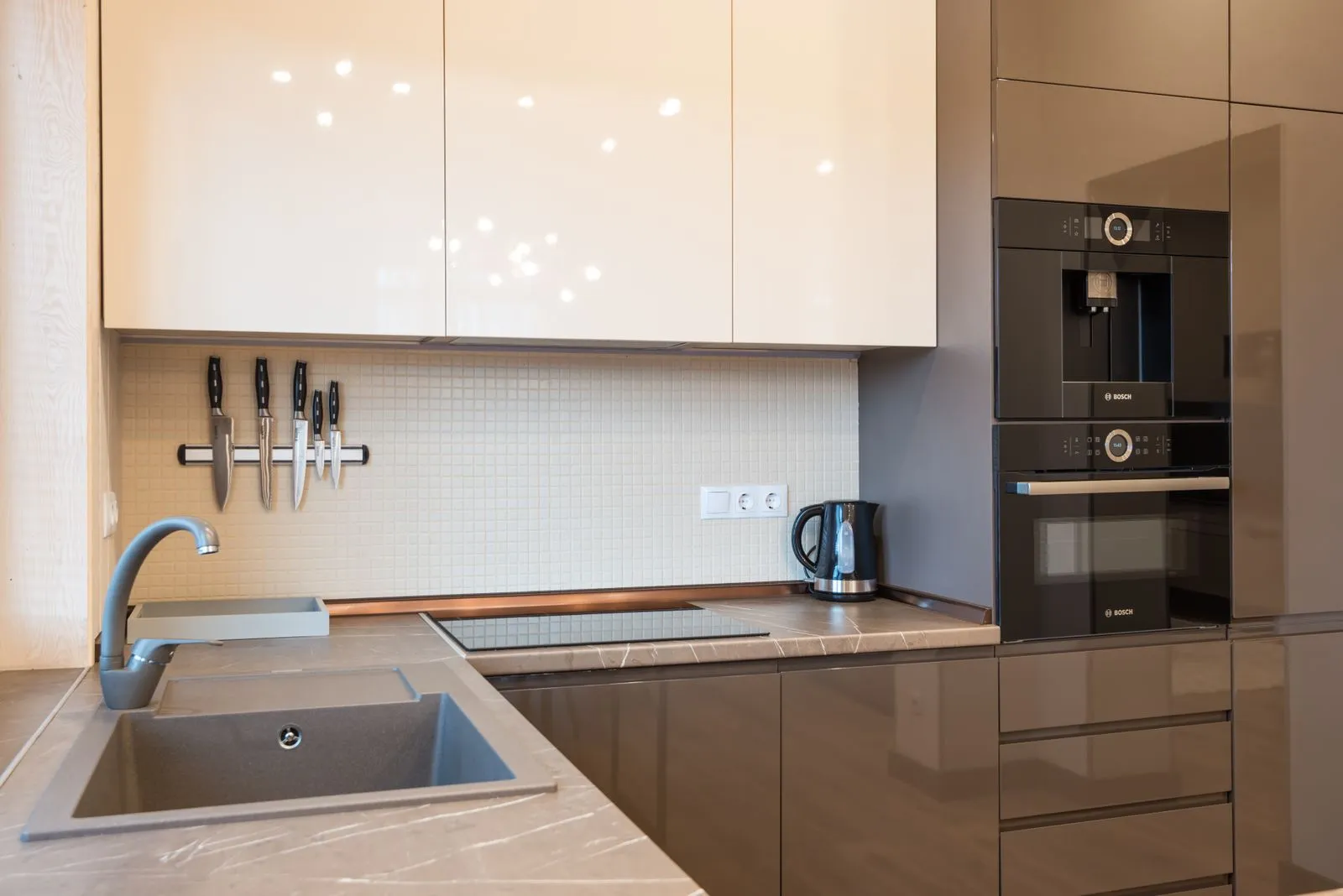
A point-of-use system treats water at a specific outlet, commonly under the kitchen sink or on a countertop. It can be a practical choice if your main concern is water for drinking and cooking. Some models supply a dedicated filtered-water tap; others connect to an existing fixture. Check which taps the system serves and whether it needs a separate faucet or changes to the sink.
A whole-home system is installed on the incoming water line and treats water supplied to multiple fixtures. It may suit households that want filtration at showers, laundry taps, and kitchen outlets, depending on the system’s design. It generally needs more installation space and a suitable location near the water entry point. Ask which contaminants or qualities it is designed to address, rather than assuming one system removes everything.
Match capacity to household use
Consider how many people live in your home and how they use water throughout the day. A household that fills bottles and cooks often may place greater demand on a kitchen filter than a smaller household. For whole-home systems, simultaneous use matters too: showers, washing machines, and taps can run together. Ask the installer to size the system for your expected flow, not just the number of residents.
Think about the jobs you want the filter to perform. You may want to improve taste, reduce sediment, or address a specific concern identified through reliable information about your supply. Review the manufacturer’s performance details and the replacement schedule for each model. A filter that is not changed as directed may perform poorly, so include cartridge availability and the effort of servicing it in your comparison.
Check plumbing and installation needs
Before choosing a model, look at the available space beneath the sink or around the incoming water line. Note nearby power outlets if a system requires electricity, and consider access for changing cartridges or servicing equipment. For apartments or properties with limited access to plumbing, check whether the owner or strata approval is needed before making alterations.
Ask installers what work is included: plumbing changes, a dedicated faucet, shut-off valves, commissioning, and removal of packaging or old equipment. Confirm where the system will sit and whether it could restrict cupboard storage or access to other fittings. For a whole-home system, ask how installation may affect water supply during the work and whether the proposed location allows straightforward maintenance.
Compare the full ownership picture
Compare more than the initial equipment and installation quote. Ask how often filters or other components need replacement under your likely usage, what parts cost, and whether you can change them yourself. Check whether replacement cartridges are readily available and whether the system has a clear indicator or schedule for servicing. These details help you judge convenience and ongoing commitment.
Request written details of the system’s intended use, performance claims, warranty, and maintenance requirements. If you are comparing several options, use the same questions for each installer: what does it treat, which outlets does it serve, what changes are needed, and what upkeep should you expect? Harbour Pure can discuss installation options for Sydney homes, but the right system depends on your property and priorities.
Start by deciding whether you need filtered water at one outlet or throughout your home. Then compare capacity, plumbing access, maintenance, and the system’s documented performance. A qualified installer can assess your layout and clarify what each option involves. Contact Harbour Pure to discuss a suitable setup for your Sydney home.